Understanding Delta 8 Distillate: Potency, Purity, and Practical Use
When I first started working with cannabis concentrates, the biggest surprise was how much variety existed within the category. You have your classic solventless extracts, your CO2-extracted oils, and then there are distillates. Among distillates, delta 8 distillate holds a particular place. It is not the most famous cannabinoid, but it is one of the most interesting for anyone who wants a balanced psychoactive effect without the intensity that often comes with high-THC products. Over the years, I have seen more people seek it out, especially as the market for hemp-derived alternatives has grown.
Delta 8 THC is a cannabinoid that occurs naturally in cannabis plants, usually in smaller amounts than delta 9 THC. Chemically, it is very close to its more famous cousin, but the difference in the double bond position changes how it interacts with the body. The result is a milder, clearer-headed experience. That is why delta 8 distillate has become a staple for people who want something functional but still feel the entourage effect of a full-spectrum product. I have recommended it to friends who were new to cannabis concentrates and found standard THC too overwhelming.
How Delta 8 Distillate Is Made
The process of making any distillate starts with the plant material. Most reputable producers use hemp-derived biomass because it is legal at the federal level and contains high levels of cannabinoids like CBD and delta 8. The first step is extraction. There are several methods, but distillate extraction typically uses heat and vacuum pressure to separate the volatile compounds from the plant matter. This is different from solvent-based methods because it is solvent-free, meaning no chemical residues end up in the final oil.
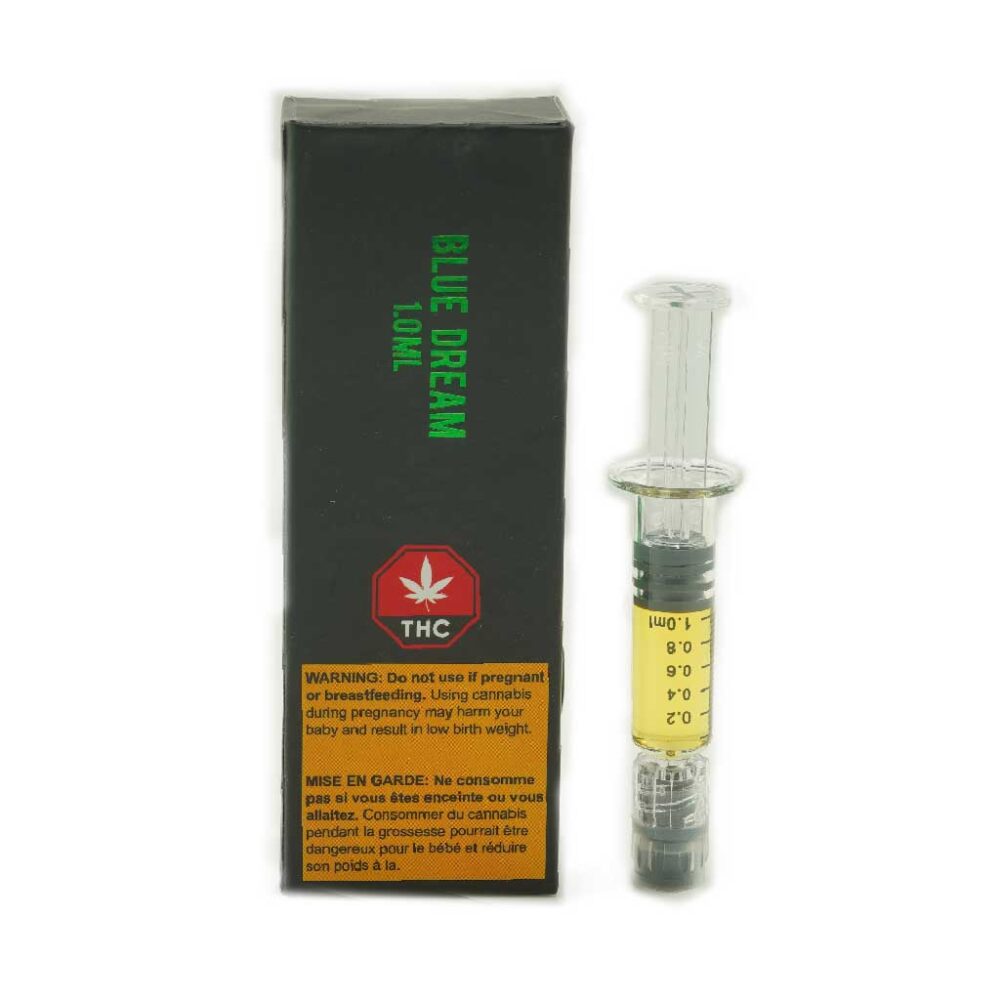
I have watched this process in a small lab, and it is impressive. The raw hemp is loaded into a chamber, the temperature is carefully controlled, and the vaporized compounds are collected and condensed. The result is a thick, amber oil that contains a concentrated mix of cannabinoids and terpenes. The specific ratio depends on the starting material, but a good delta 8 distillate will have a clear potency profile from third-party lab testing. Without that testing, you are guessing, and guessing with concentrates can lead to an unpleasant experience.
Potency and How It Compares to Delta 9 THC
One of the first questions people ask is how delta 8 distillate compares to delta 9 THC in terms of strength. The short answer is that delta 8 is less potent. Estimates vary, but it is generally thought to be about half as strong as delta 9. That does not mean it is weak, just that the ceiling is lower. For someone who wants to avoid anxiety or paranoia, that is a feature, not a bug. I have used it many times when I needed to stay productive but still wanted the subtle shift in perception that cannabinoids provide.
That said, the experience is not just about delta 8 alone. The other cannabinoids and terpenes in the oil create the entourage effect, which can amplify or soften the overall impact. A distillate high in myrcene and limonene will feel different from one with more pinene and caryophyllene. This is why I always look at the full certificate of analysis, not just the delta 8 number. A well-made delta 8 distillate from a place like Kush Station will have a balanced profile that works well for dabbing or filling vape cartridges.
Practical Ways to Use It
Delta 8 distillate is versatile. The most common method is dabbing it through a glass dab rig. You heat the nail, place a small amount of oil on it, and inhale the vapor. This gives you the full effect within seconds, and you can easily control your dose by starting with a tiny dab. For people who prefer something more portable, filling vape cartridges with delta 8 distillate mixed with a compatible vaporizer liquid is a great option. I have done this myself, and it is convenient for on-the-go use without drawing attention.
Another route is making cannabis edibles. Because delta 8 is already decarboxylated in the distillate, you can add it directly to butter, oil, or any fatty base. Start with a low dose, maybe half the amount you would use with a standard distillate, and wait at least two hours before adding more. The effects can be subtle at first, but they build. I once made a batch of brownies with delta 8 distillate and found they gave a gentle, long-lasting calm that did not interfere with sleep.
Quality and Safety Considerations
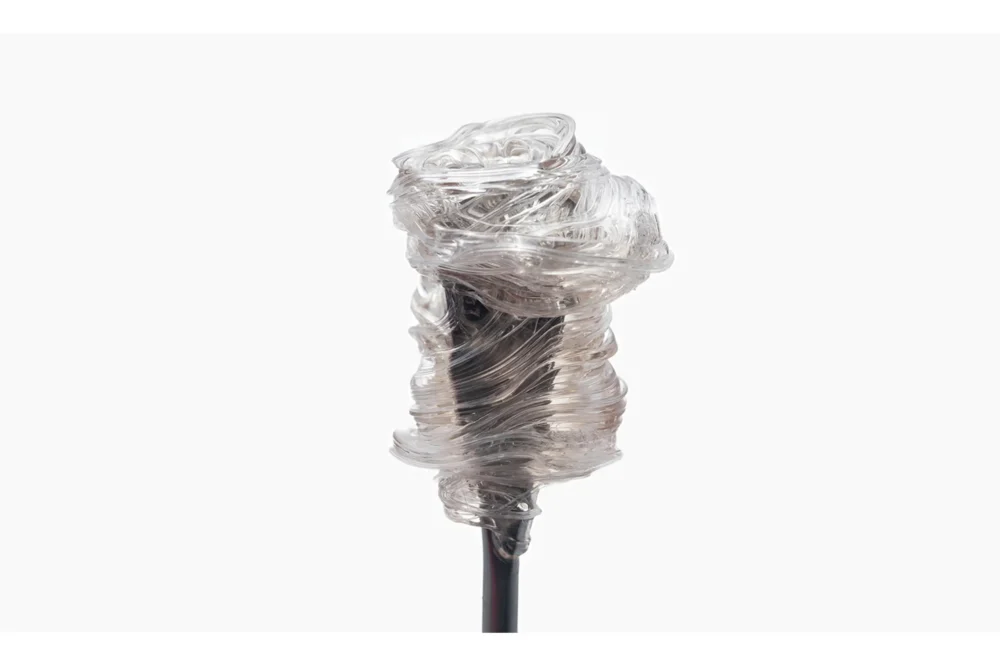
Not all delta 8 distillate is created equal. The market has grown quickly, and with that growth comes variation in quality. The most important thing is third-party lab testing. This is not a nice-to-have; it is essential. A good lab report will tell you the exact THC potency, the ratio of delta 8 to delta 9, the presence of residual solvents (if any), and the terpene profile. It will also confirm that the product is hemp-derived and complies with legal compliance standards. I have seen batches that were cloudy or smelled like burnt plastic, and those went straight into the trash.
I also pay attention to the extraction method. Solvent-free methods like CO2 extraction or steam distillation produce cleaner oils. CO2 extraction, in particular, preserves delicate terpenes and cannabinoids because it operates at lower temperatures. The result is a more aromatic and effective oil. If you see a product that does not specify the extraction method, ask the seller. A transparent vendor like Kush Station will have that information ready.
A Few Practical Tips
- Store delta 8 distillate in a cool, dark place. Heat and light degrade cannabinoids over time.
- Use a glass dab rig or a quartz banger for dabbing. Metal nails can leave a metallic taste.
- Start with a very small dose, especially if you are new to concentrates. You can always take more.
- Check the lab report for any signs of heavy metals or residual solvents. Safety first.
I have seen people jump into dabbing with a full gram and regret it. With delta 8 distillate, the risk of overdoing it is lower, but it is still real. The key is patience and respect for the compound. It is a tool, not a toy.
Where It Fits in the Broader Market
The world of cannabis concentrates is huge. You have live resin, rosin, BHO, and various distillates. Delta 8 distillate fills a specific slot for people who want something between a CBD isolate and a high-THC delta 9 product. It is popular among those who are sensitive to THC, who are using it for mild symptom relief, or who want a functional experience during the day. I have also seen it used in vape cartridges sold at specialty shops, often blended with other cannabinoids to create a specific effect.

From a legal standpoint, hemp-derived delta 8 distillate is a gray area in some states but generally allowed under the 2018 Farm Bill as long as it contains less than 0.3% delta 9 THC. This has opened the door for more people to access it without a medical card. But you still need to do your homework on local laws.
In the end, delta 8 distillate is a nuanced product. It rewards attention to detail in both production and consumption. If you take the time to find a clean, well-tested batch from a reliable source and use it thoughtfully, it can be a valuable addition to your routine. Just remember that the quality of the experience depends on the quality of the oil, and that starts with transparency from the maker.